
How can a 5㎡ mini office support a company?
How large is the office needed to open a small company/studio?
Many people, when just starting out, instinctively think: a bigger office looks more decent.
So even if the team consists of only two people, they would consider renting a traditional office space of 30 to 40 square meters, complete with office and reception areas, just to look more respectable and reliable.
But in recent years, more and more entrepreneurs and startup teams have chosen to rent a small office of about 5m² per person.
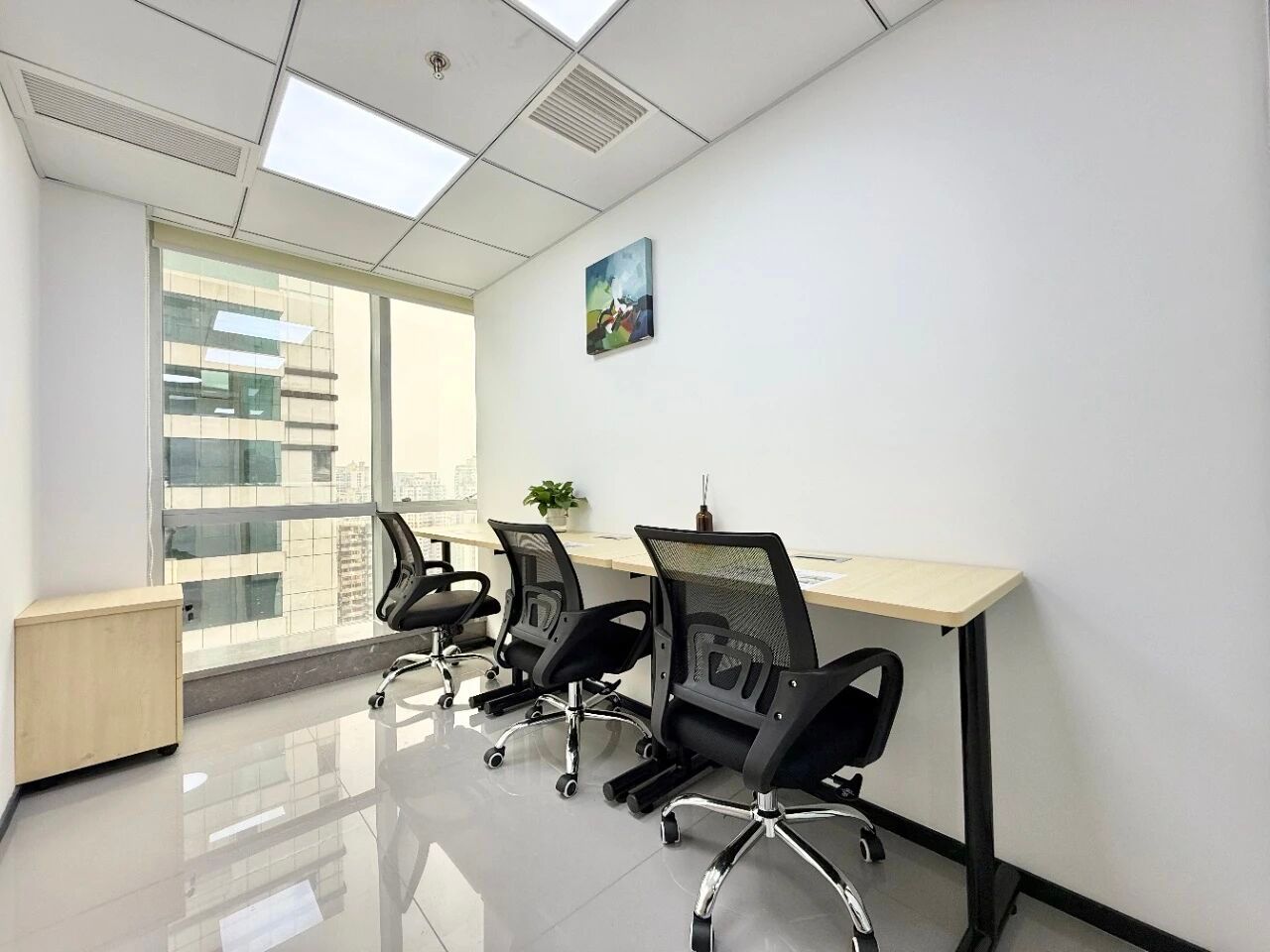
Outsiders couldn't help but wonder: this office looks cramped and cramped, with daily work a bit tight—how can it handle handling clients and business normally to support an entire company?
This may seem like a "compromise" choice, but behind it lies a very pragmatic cost logic.
01
No payment for "vacant space."
Many people fall into the misconception of renting offices: they treat "site area" as a measure of "business strength."
For so-called dignity and completeness, renting a single office room of forty to fifty square meters may look neat and fully functional, but in reality, it hides a huge waste.
But if you do the math, it's clear:
A 40-50 square meter office may only be 20m² in the area frequently used by the team during the day.
The remaining reception areas, meeting rooms, idle workstations, and empty corridors may only be used two or three times a week, or even remain empty year-round.
But whether you use it or not, your monthly rent, property management fees, utilities, and shared expenses will not decrease at all.
In the early days of entrepreneurship, funds were already tight. Money that should have been invested in product development, business expansion, and customer acquisition was quietly spent on office space that had been vacant for years.
What's even more troublesome is that traditional office lease terms are stuck, with each contract lasting three to five years, with deposits, renovations, and miscellaneous fees piling up. Once business fluctuations or team adjustments occur, the rented large office becomes an inescapable burden, leaving it in a dilemma.
They want to work with dignity and avoid wasting money; they want to operate legitimately but don't want to be tied down by long-term leases—these are the pain points most startup owners find hard to have both.
02
Using shared space thinking to make rental income practical
Where does the waste of traditional office work lie? Shared offices solve these problems.
Many people think: if the office is too small, it can't support the business.
But office value has never depended on the size of the exclusive area, rather on the full set of resources available.
Traditional office—rent as much space as you use resources;
Shared office—spend just 5㎡ on office rent to unlock the resources and ecosystem of the entire space.
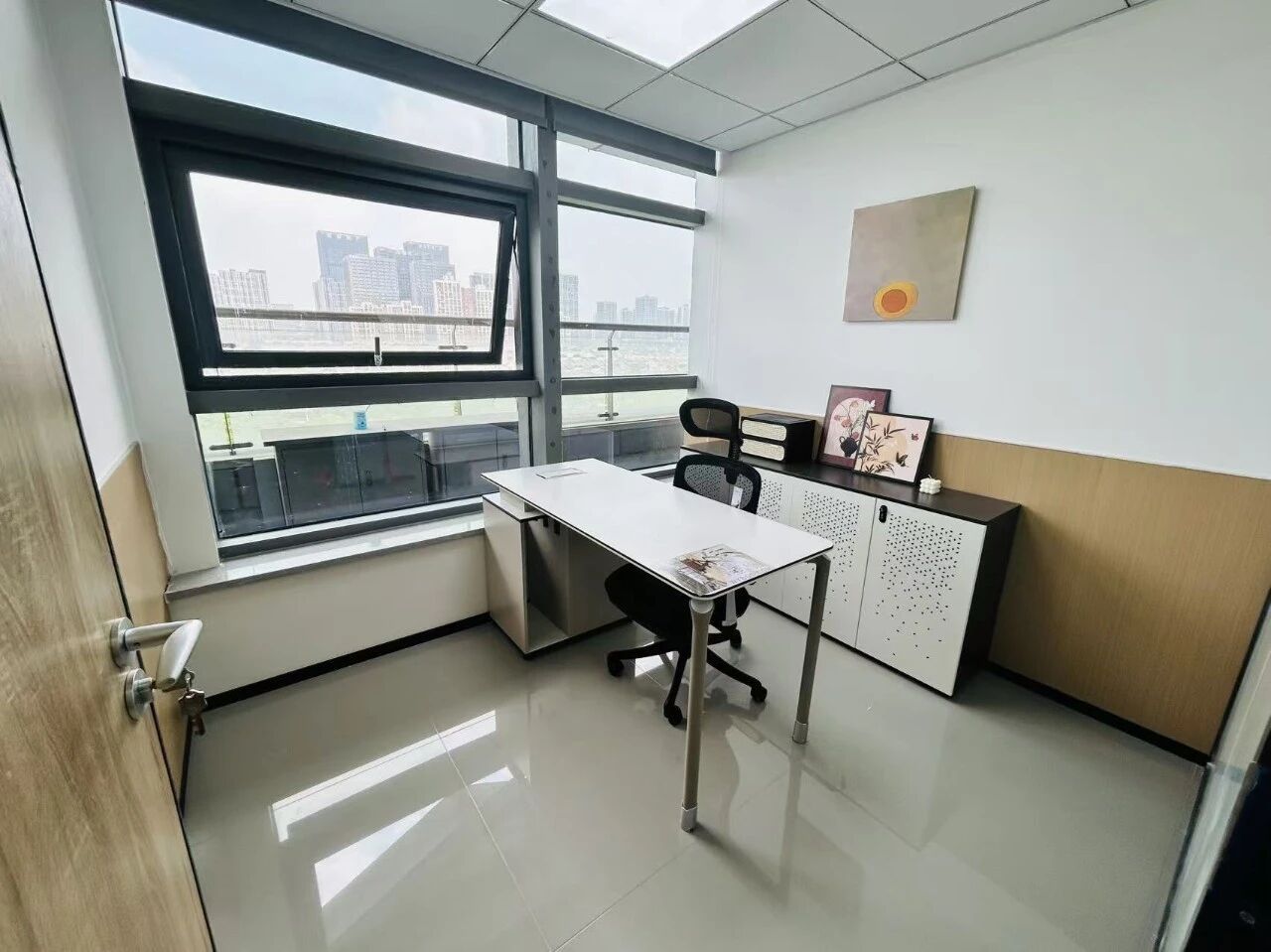
The 5㎡ private office you rent is your own private little space: quiet, independent, and undisturbed. It's more than enough for daily desk work, planning plans, and handling core business, perfectly suited for solo companies or small studios.
And those business functions that are rarely used but are essential can be rented out of pocket:
The space is fully covered with a large shared functional area—professional meeting rooms, business negotiation rooms, private phone rooms, tea room reception areas, open leisure zones, coffee bars, and printing service areas.
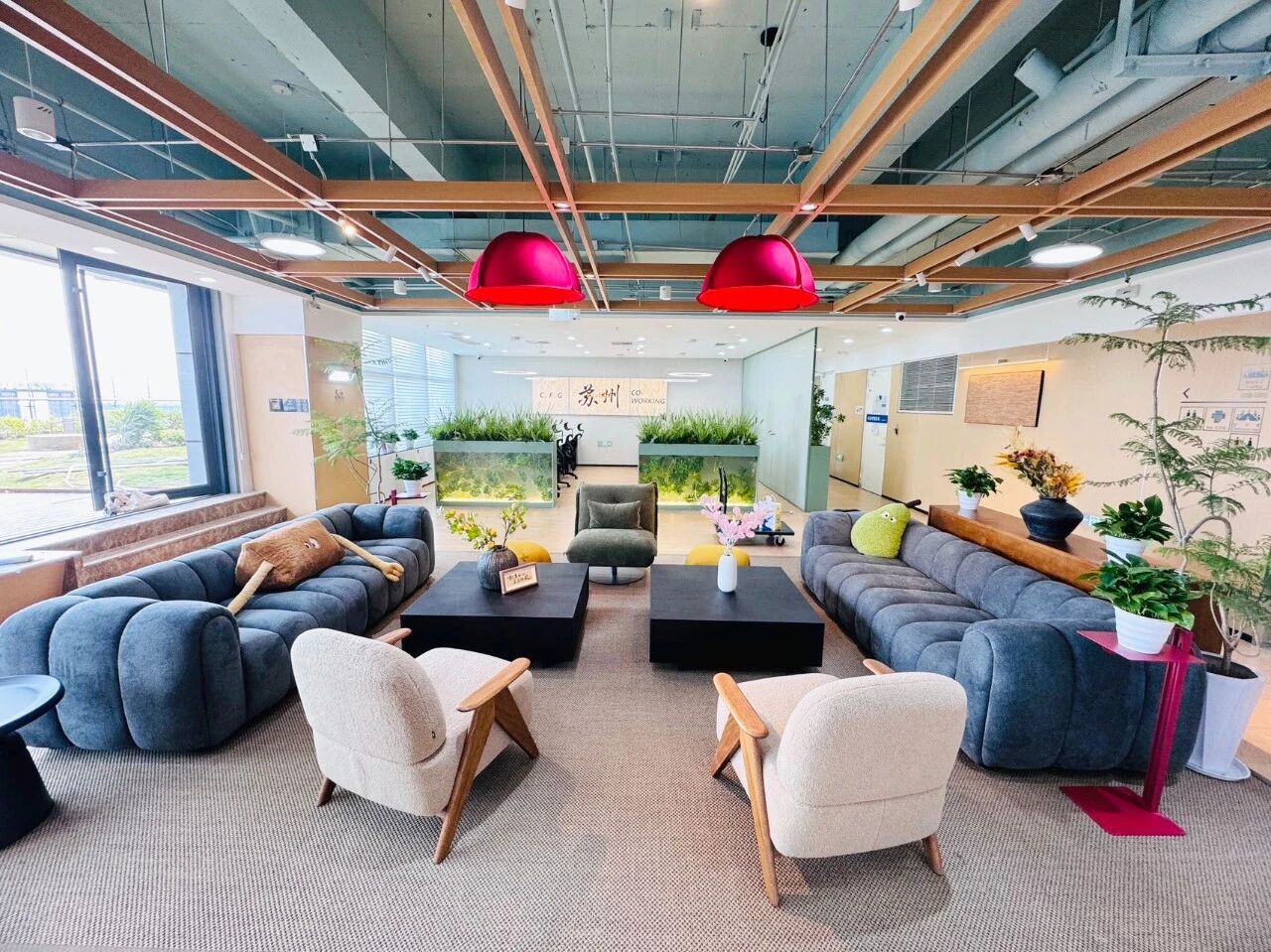
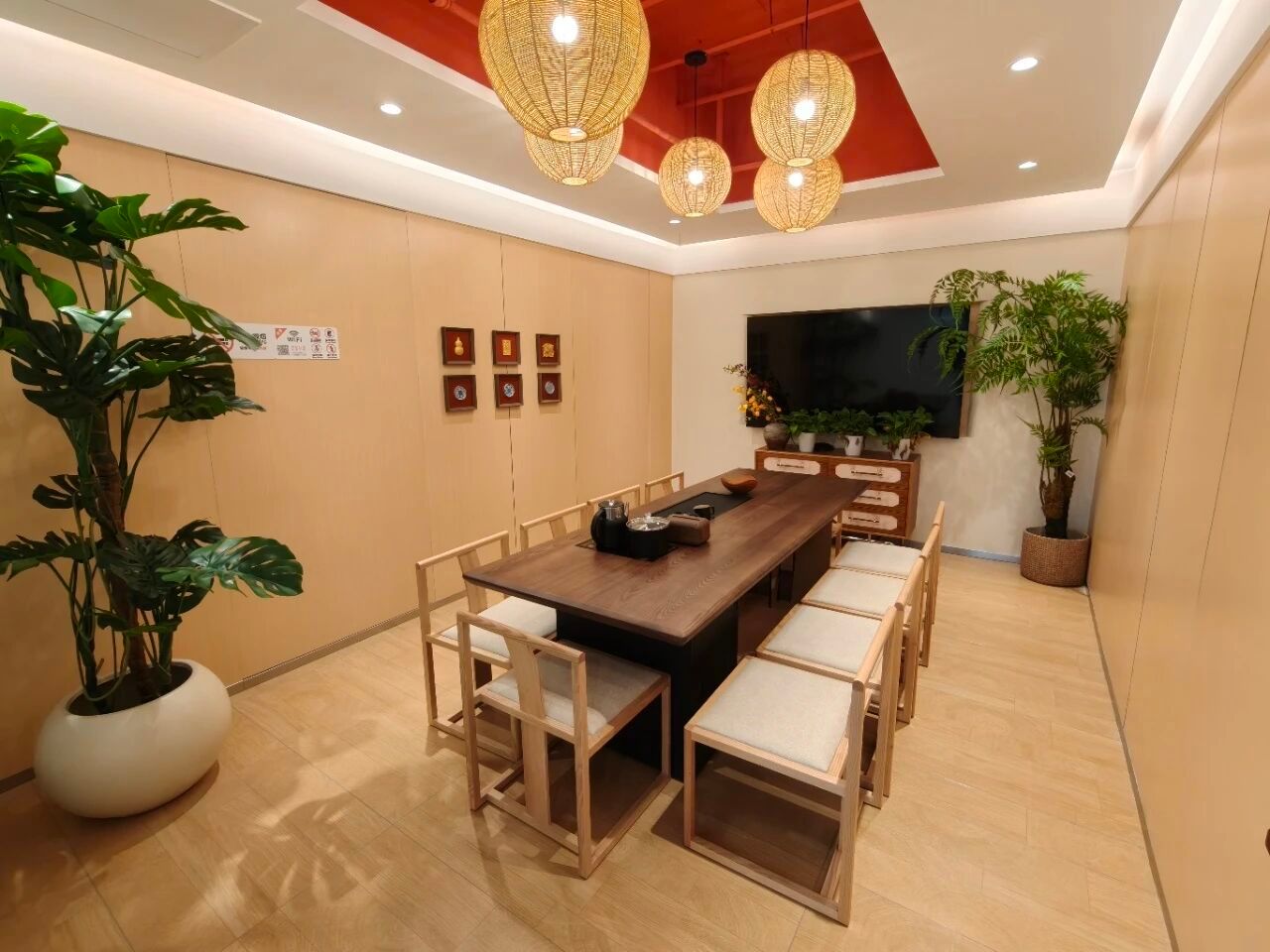
Quiet daily office work has a private space, client visits have a respectable venue, business negotiations provide a comfortable environment, and relaxation areas have dedicated areas.
You can say you can enjoy the smallest exclusive area rental and enjoy a fully equipped experience far beyond a hundred-square-meter office.
03
Chuangfu Port: Helping you spend every penny of your budget wisely
Most office spaces on the market only offer "space rental," but Chuangfugang focuses on one-stop entrepreneurial and innovation services, specifically addressing the challenges of high office costs, limited supporting facilities, and limited services for startup teams, creating a cost-effective light entrepreneurial office environment.
Unlike traditional office buildings with inflated floor space, chaotic miscellaneous fees, and excessive hidden expenses, Chuangfugang implements a transparent all-inclusive plan: rent directly covers utilities, property management, office furniture, daily cleaning, and complimentary internet.
For large independent offices, flexible billing is also supported, allowing you to choose between all-inclusive or itemized billing as needed, maximizing the budget planning of different teams.
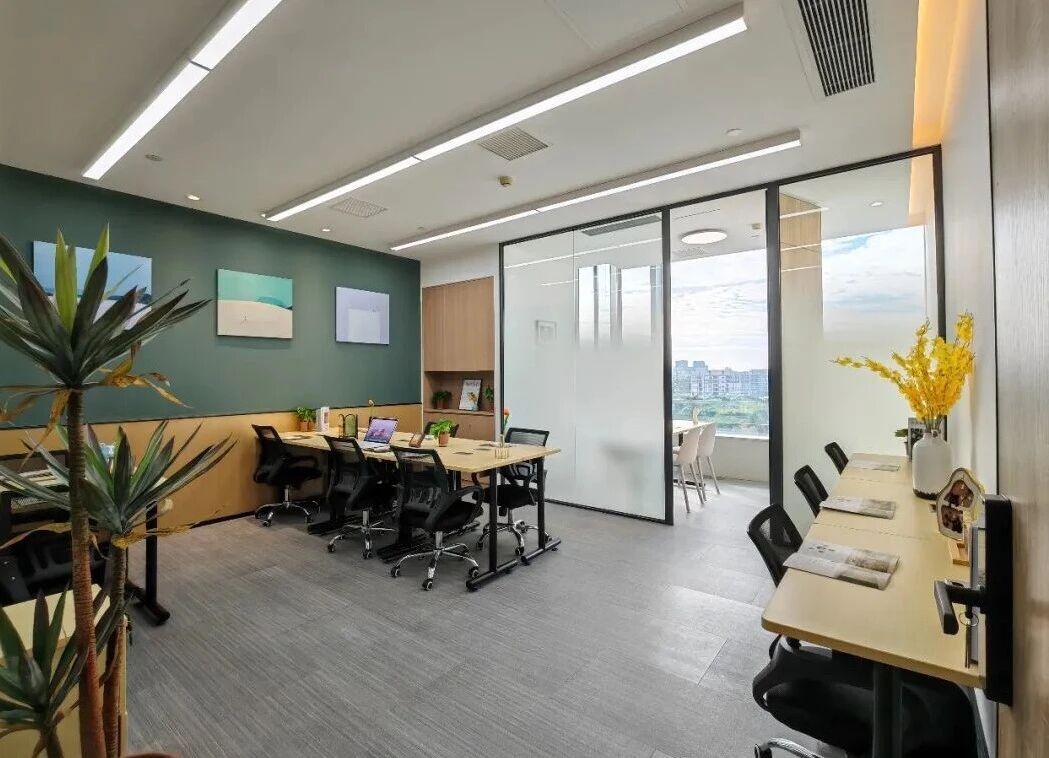
In terms of space design, we meticulously refine every detail: whether it's the size of the office desk, window lighting, or the design of corners, all are carefully calculated to balance comfort and practicality in a limited small area.
All shared amenities in the space are fully open, offering one-stop business receptions, conference roadshows, leisure and social activities, and printing offices. Even renting a 5㎡ office can fully support a professional entrepreneurial office setup.
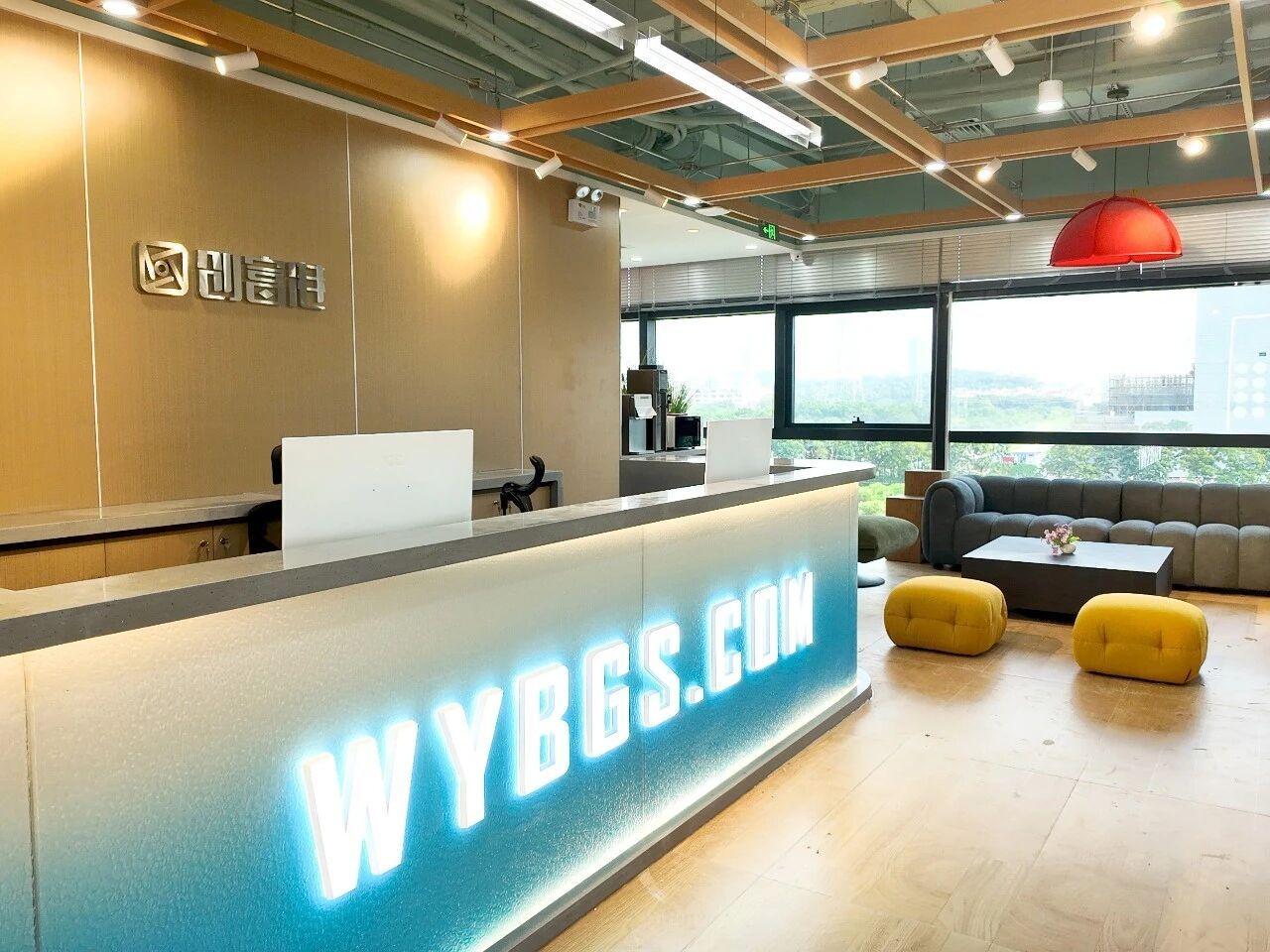
Beyond space, Chuangfu Port empowers the entire entrepreneurial process with technology, paired with professional one-stop entrepreneurial services and a mature entrepreneur mutual aid community. From on-site office and business finance and taxation to address management and legal consultation, it comprehensively reduces operational pressure on startup teams, making light entrepreneurship not only cost-saving, but also worry-free and efficient.
Compared to traditional office work, moving into Chuangfugang saves nearly one-third of the overall office costs. This cost-performance ratio is highly rare among similar shared office sectors on the market.
04
Asset-light operations are the foundation for long-term entrepreneurial success
In the early stages, many entrepreneurs tend to maximize office space and equipment configuration, feeling that having the hardware in place gives them peace of mind and reassurance for clients.
But what truly supports a company is often not these things.
Compared to hardware, cash flow on the books and the team's operational rhythm may be the more tangible sources of confidence. If your meeting rooms and unused workstations are still draining funds every month, and long-term leases make your team less flexible, it might be worth recalculating.
The saved budget can be invested in product refinement, customer development, and strengthening core capabilities. Traveling light, the pace is more flexible, and the walk is more composed.
A little lighter makes the rhythm more flexible
Take a steady step forward and walk with greater composure
Chuangfugang Co-working Consultation: 18565723257 (WeChat same number)