
To run a one-person company, you need this invisible teammate →

To run a one-person company, you need this invisible teammate →

In July 2024, the new Company Law officially came into effect, removing the restriction that "a natural person can only establish one one-person limited liability company." The effect of policy relaxation was immediate:

As of June 2025, there will be over 16 million existing one-person companies nationwide, accounting for 27.4% of all enterprises. In just the first half of 2025, 2.86 million new households were established, a year-on-year increase of 47%. Hangzhou, Shenzhen, Beijing, and Shanghai contributed more than half of the national incremental growth.

A year later, the digital economy continues to lower the entry barriers for solo entrepreneurship.

But the difficulty of entrepreneurship has never been the beginning, but the long-term operation; From a smooth launch to stable operations, entrepreneurs still have to overcome numerous challenges......

01
The most expensive cost: time and effort

The challenges faced by entrepreneurs in one-person companies are often not a lack of technical capability, but a lack of structural support—the inherent legal boundaries, financial and tax standards, administrative logistics, business reception, and industry networking that a mature organization naturally possesses are compressed into a single-person list that must be borne alone.

As a result, entrepreneurs often face the challenge of being overwhelmed: finding office space, handling business registration procedures, completing tax filings on schedule, connecting with clients, maintaining suppliers, and managing financial transactions...... These matters may not be considered difficult on their own, but they continuously consume the entrepreneur's time and energy.

In addition, entrepreneurs must face several more practical business challenges:

1. Brand and trust weaknesses, making it difficult to secure high-quality business

Most one-person companies start with light assets; many entrepreneurs do not have fixed business premises, and their registered addresses are usually affiliated or residential. When facing on-site inspections, business verifications, or major client bidding, details such as lack of formal office space, unattended coordination, and irregular business documentation can directly lower the company's professionalism.

For major clients and legitimate enterprises, these seemingly minor weaknesses can directly turn into barriers to trust, making it difficult to secure high-quality orders and long-term cooperation. This is the core reason why many one-person companies can only handle small or scattered orders.

2. Outstanding compliance risks and extremely low margin for error

A sole proprietorship has only one shareholder and lacks internal checks and supervision mechanisms, making it easy to suffer from mix-up of public and private accounts, omissions in tax filing, and irregular accounting. Tax declarations, annual business reports, and public filing all have strict deadlines and standards. Any negligence, omission, or error in reporting can trigger operational abnormalities, fines, or even inspection risks.

More importantly, a sole proprietorship company applies the reversal of the burden of proof rule, which cannot prove the separation of company assets from personal assets, and shareholders must bear unlimited joint and several liability for company debts. Many solo entrepreneurs prioritize business over compliance, and once they fall into traps, the cost far exceeds the short-term gains.

3. Siloed operating effect, with extremely high hidden costs

The biggest challenge in solo entrepreneurship has never been just financial pressure, but the isolation of information and decision-making. There are no partners sharing pressure or making decisions, no team division of labor to fill the gap, and no peer circles sharing industry information.

Market changes, policy adjustments, business challenges, and operational bottlenecks all require entrepreneurs to make independent judgments, trial and error, and self-review. This not only consumes a lot of time and effort but also leads to issues such as one-sided decision-making, outdated information, and detours, resulting in long-term high consumption and low margin for error.

02
Chuangfu Port: Be your "invisible teammate"

The core value of Chuangfugang is to address the operational shortcomings of one-person companies: turning the back-office tasks that entrepreneurs must do but personally implementing with high costs and low efficiency into standardized startup services, helping enterprises operate steadily at lower costs and higher efficiency.

In terms of office space, it offers both private offices and open office slots, allowing both company registration and actual office entry. Entrepreneurs don't need to find a venue, negotiate leases, or renovate and set up wiring themselves—they can move in and work with just a bag in hand.
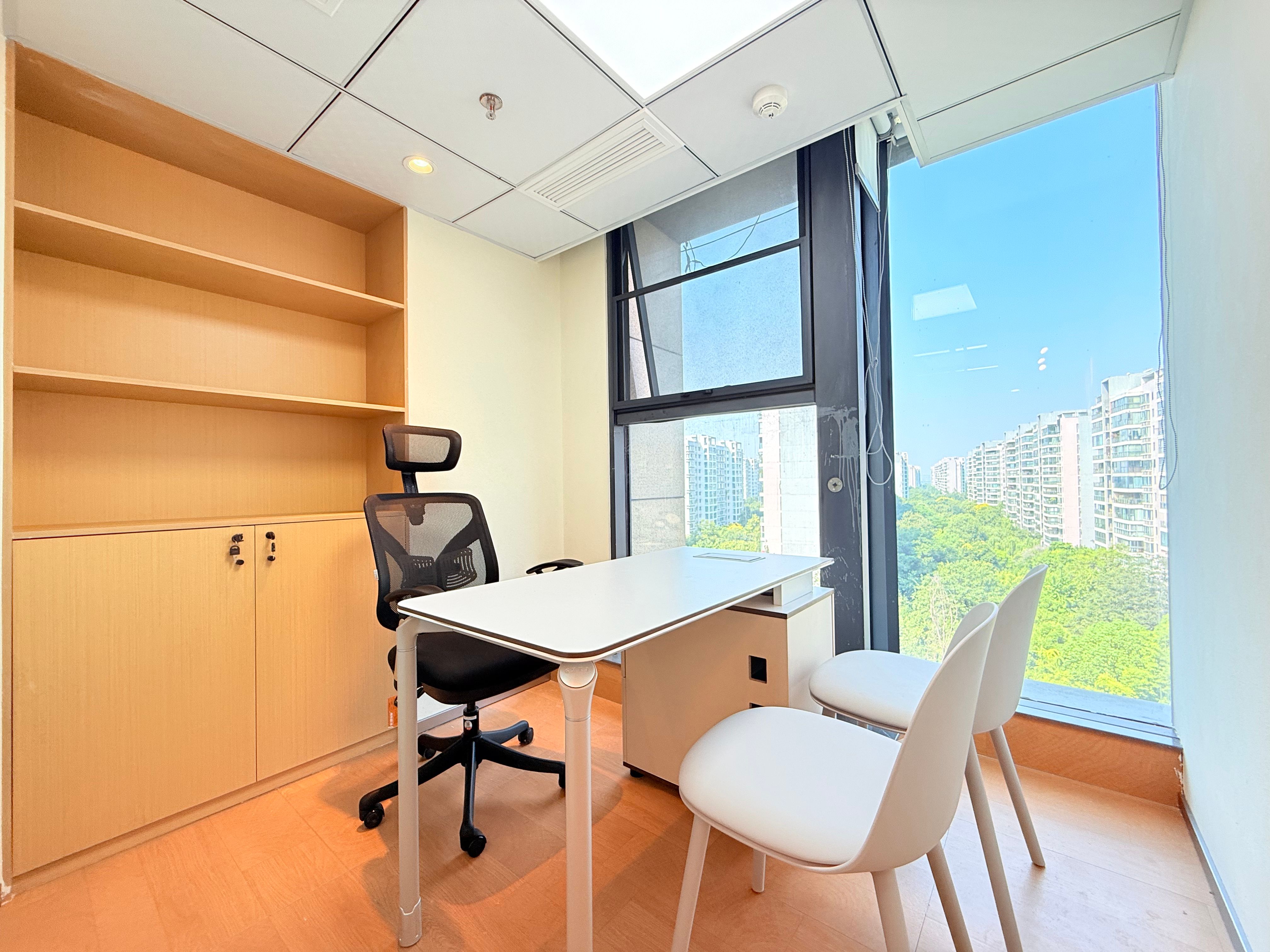
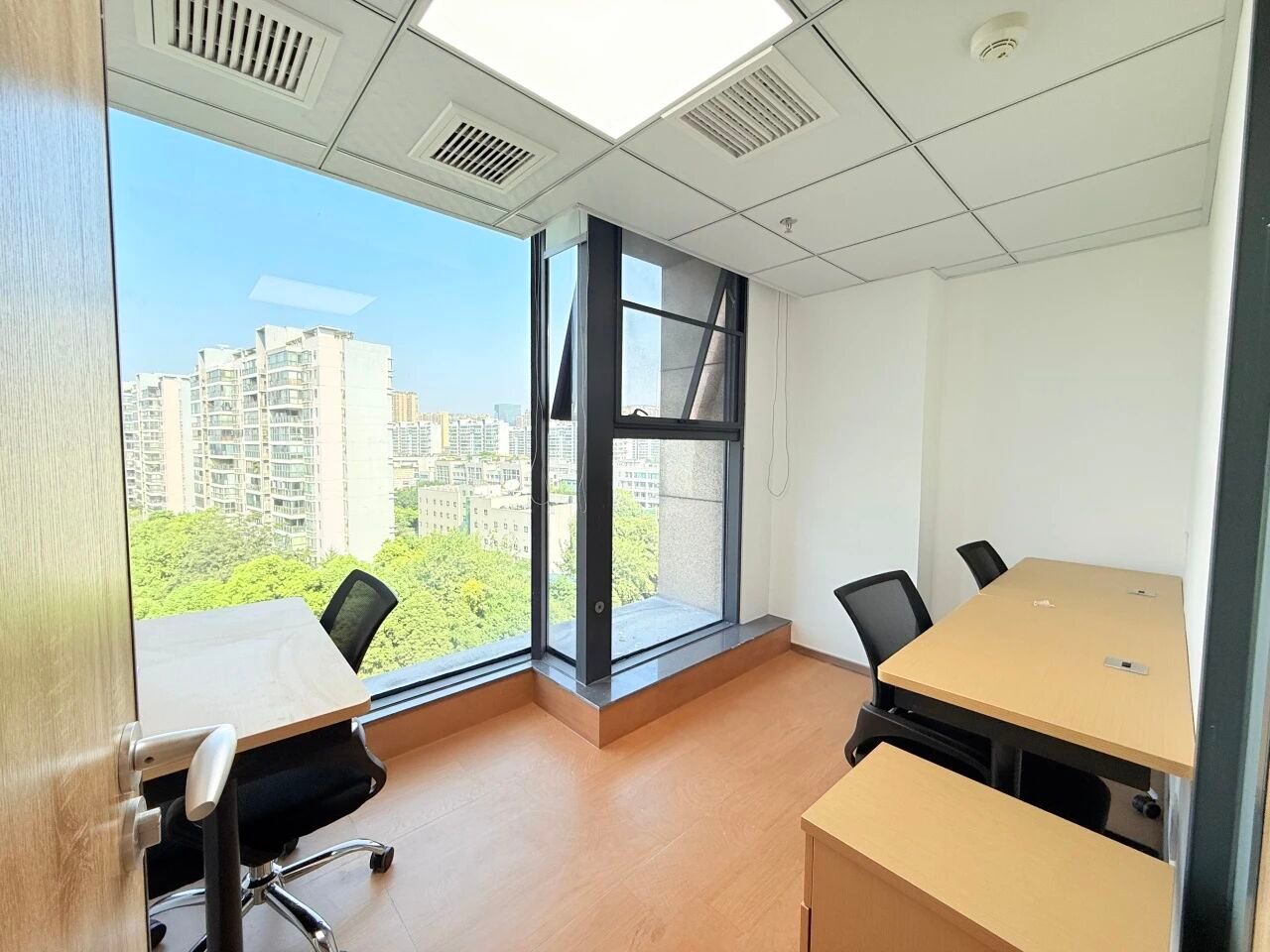
1.jpg2.jpg

For registration and taxation, from business registration to tax agency, Chuangfugang offers full-process agency services—business registration can be obtained in as fast as 3 days, with dedicated staff following up on bookkeeping and tax filing, social security agency, and tax planning. For a one-person company without dedicated finance staff, what is saved is not just a few hundred yuan, but ongoing energy consumption.

3.png

Corporate management and business secretary services solve the problem of "how a person looks like a company." Front desk calls, fax reception, and secretarial services—these functions are handled by the Chuangfugang platform without an administrative team.

There is also an easily overlooked hidden value: the entrepreneurial community. Tens of thousands of companies gather in nearly 300 spaces nationwide, and these people are the most ready-made peer resources on the entrepreneurial path.

4.png

Since its establishment in 2008, Chuangfugang has always upheld the mission of "helping entrepreneurs succeed," building a one-stop entrepreneurship and innovation service platform centered on "quality spaces, professional services, and mutual support communities."


As of July 2026, we have established nearly 300 office spaces in 12 cities nationwide (Beijing, Shanghai, Guangzhou, Shenzhen, Hangzhou, Ningbo, Chengdu, Changsha, Nanjing, Suzhou, Chongqing, Hong Kong). Operating area is 400,000+㎡, serving over 450,000 enterprises cumulatively.

The wave of one-person companies continues. Technology iterates, systems improve, but the core demand of individual entrepreneurs remains unchanged: to focus energy on the core and leave the trivialities to the profession.

Chuangfugang hopes to become a one-person company's "invisible teammate"—supporting daily operations with quality spaces, professional services, and mutual support communities, enabling entrepreneurs to focus on their core business and sustain operations.

Chuangfugang Co-working Consultation: 18565723257 (WeChat same number)

WECOM · WeChat Work

Scan the QR code to add Chuangfugang professional consultants

First-hand listings | Real-time reserve prices | Detailed site explanations

Chuangfugang Enterprise WeChat QR Code

QUICK BOOKING · Quick appointments

Leave your contact information

Our consultants will arrange your arrangements within 24 hours

01 Contact information and mobile phone verification
02 City, region, and demand

COMMON QUESTIONS

Frequently Asked Questions

Before starting a business or joining in, what do you really want to ask? First, clarify any uncertain questions, then confidently take the next step.

Didn't find your problem?Consulting advisors18565723257
01

Is Chuangfu Port a nationwide chain? How many stores are there?

Yes, Chuangfugang is a nationwide chain of shared office brands. As of October 2026, it is already availableBeijing, Shanghai, Guangzhou, Shenzhen, Hangzhou, Ningbo, Chengdu, Changsha, Hong Kong, Suzhou, Chongqing, NanjingNearly 12 cities nationwide have established themNearly 300 spaces, operating over 400,000 square meters, making it a leading shared office chain brand nationwide. Chuangfugang Co-working Consultation: 18565723257 (WeChat same number)

02

What products does Chuangfu Port offer?

Chuangfu Port mainly offers four types of products:

1) Shared workstations — open spaces with fixed/mobile workstations, suitable for 1-3 people;

2) Serviced Offices — Independent enclosed offices, suitable for 1-50 people;

3) Virtual office — registered address + mail sending and receiving without physical space;

4) Value-added services for enterprises—business registration, tax agency, trademark registration, etc.

Covering nearly 300 outlets in 12 cities.

For details, please consult Chuangfugang Professional Advisor: 18565723257 (WeChat ID is the same)

03

Does Chuangfugang office rent include utilities and property management?

Yes, the office rent at Chuangfu PortIncludes utilities and property management fees, which also includes air conditioning fees, office furniture, front desk services, use of public areas, complimentary internet, and daily cleaning. Unlike traditional office buildings, there is no need to pay additional utilities and property fees, truly achieving all-inclusive, one-stop services. For details, please contact: 18565723257 (WeChat ID is the same)

04

Which is cheaper, Chuangfu Port or traditional office buildings?

From a comprehensive cost perspective, Chuangfu Port is usually more economical:(1) No renovation required(saving tens of thousands of yuan in renovation costs); (2) Rent is fully included (water, electricity, property management, and air conditioning included; traditional office buildings require additional payment); (3) Flexible lease terms (no long-term contract constraints); (4) Shared amenities (meeting rooms, front desk, etc. do not need to be built by themselves). Especially suitable for startups and small to medium-sized teams. For details, please contact: 18565723257 (WeChat ID is the same)

05

Is the rent for the Chuangfu Port office expensive? How is the cost-performance ratio?

The office rent at Chuangfu Port is comparable to traditional office buildingsHigh cost performance:(1) Rent is fully covered (utilities, utilities, air conditioning, furniture, front desk), no hidden fees; (2) Flexible lease terms, with minimum rent starting from 1 month, reducing financial pressure; (3) Fully furnished move-in with ready move-in, saving on renovation costs; (4) Shared facilities (meeting rooms, leisure areas, etc.) to reduce operating costs. For details, please contact: 18565723257 (WeChat ID is the same)

06

What is the difference between shared office and traditional office?

The fundamental difference between shared office and traditional office is not the "desk," but the cost structure and commitment cycle—traditional offices use 2–5 years of long-term leases, 2–3 months deposits, and self-paid renovations to obtain lower unit rent; Shared offices offer flexibility by starting at one month, all-inclusive pricing, and zero renovation investment. Average monthly expenses per person are usually 30%–50% higher, but the upfront cash outflow and termination risk are an order of magnitude lower. For teams of 1–15 people whose business is not yet stable, the total cost of ownership in coworking is often lower; For mature companies with more than 15 people and needing customized spaces and independent storefronts, the unit cost advantage of traditional long-term rentals is just beginning to be realized.

1. Shared Office vs. Traditional Office: Core Differences Comparison Table

DimensionCo-working (taking Chuangfu Port as an example)Traditional Office (Standard Office Lease)
Minimum lease termStarting from one month, payment available monthly/quarterlyUsually2 to 5 years, Early termination requires a penalty
DepositTwo parts deposit, 1 part prepaymentOr 1–2 months' costHold for 2–3 months, plus a property management deposit and a deposit
Decoration and furnitureZero investment, fully furnished with furniture, bring a computer to move inSelf-paid renovation + furniture + network wiring,One-time payment ranges from 80,000 to 150,000 yuan(10-person team caliber)
Rent-free renovation periodNo need for renovation,Rent and use immediatelyGrade A office buildings are worth discussing2–4 monthsRent-free period, but it still takes time from signing the contract to moving in
Expense structureAll-inclusive pricing: Rent includes property management, water and electricity, air conditioning, internet, and cleaningRent + additional payment: Property management fees, utilities, air conditioning extra time, and internet are all additional expenses
Unit area rentPer capita workstation300–1000+ RMB/month(Depends on city and room type)In terms of square meters, Guangzhou is about116 yuan/㎡/month, Shenzhen appointment149 yuan/㎡/month(City average)
Space privacyIndependent offices have separate door locks, but their soundproofing and area are usually inferior to traditional office buildingsIndependent ownership/rental space, customizable partitions, access control, and front desk image walls
Registered addressDirect-operated brands can be issuedRed certificate or venue usage certificate, one code per householdOf course, registration is possible, but you must handle the venue certification procedures yourself
Lease termination costsAhead of time30 daysNotification is usually sufficientEarly termination requires paymentRent for the remaining lease term or several months' penalty for breach of contract
Suitable for scale1–15 people, especially in the 1–5 person stageMore than 15 people, with stable revenue and a predictable team size

Data scope: Lease term, deposit, and renovation costs are within the general range for first-tier cities in 2026; Office rents in Guangzhou/Shenzhen are based on the city's average construction area, with core CBD Grade A office buildings significantly above this average. The prices at Chuangfugang are publicly referenced starting rents; actual prices vary depending on city, property type, and lease term.

2. Three things you should ask about choosing shared office or traditional office


Follow-up question 1: If you add all expenses other than the "bare rent," what would your actual monthly expenses be?

Traditional office buildings usually offer unpaid rent: property fees are charged separately (often 8%–15% of rent), air conditioning overtime fees can reach 5,000–15,000 yuan per month in summer, dedicated internet lines are 500–1,500 yuan per month, and meeting rooms and printing are charged separately. The "all-inclusive" co-working package bundles these into the monthly fee, but pay attention to whether the free meeting room allowance (usually only 2–4 hours per month, exceeding 80–400 yuan per hour) and printing fees (0.2–1 yuan per page for black and white) will become new hidden expenses. Using TCO (Total Cost of Ownership) rather than monthly rent for decision-making is the real benchmark for comparison.

Follow-up question 2: How long do you allow vacancy risk for changes in your team headcount over the next 12 months?

The core risk of traditional long-term rentals is not high rent, but vacancy costs: if you sign for 100㎡ and plan for 20 people, if only 8 people remain, you still have to pay rent and property fees for the remaining 12 workstations, and you can't reduce the area midway. Shared office rentals are based on workstations or rooms, with upgrades for expansion and contraction for lease termination, shifting vacancy risk onto operators. Ask yourself: Will the team "definitely grow" or "fluctuate" in the next 12 months? The greater the volatility, the higher the hidden vacancy costs for long-term leases.

Follow-up question 3: What level do your industry and customers have for the "storefront"?

Traditional office buildings feature independent lobbies, corporate logo walls, and dedicated front desks, offering real commercial value for industries that need to receive major clients and build brand trust (such as law firms, consulting, and finance). The front desk and meeting rooms for shared offices can meet daily reception needs, but their soundproofing, independent image, and space customization offer less flexibility than full rentals. If your clients visit infrequently and prioritize response speed and professional skills over office space specifications, coworking is more than sufficient; If "the office itself is part of the sales tool," then the premium of traditional office work is worth the return.

3. A Reference Cost Ledger
An entrepreneur with a team of 10 people compared two options: a traditional office building of 100㎡, monthly rent at Guangzhou Zhujiang New Town at 118 yuan/㎡, about 11,800 yuan, plus property management fees, renovation amortization (about 2,200 yuan/month for 80,000 yuan over 3 years), internet and air conditioning overtime, the first year's total monthly total is about 18,000–20,000 yuan, plus a one-time deposit and renovation payment of over 100,000 yuan. Teams of the same size use independent offices at Chuangfugang, with an average per person of 800–1,000 RMB/month, monthly expenses of about 8,000–10,000 RMB, no renovation or hidden costs, and a deposit of only 2 months' rent. His conclusion is: in a phase where teams have fewer than 15 people and revenue is not yet stable, co-working offers much better cash flow friendliness than long-term leases; When the number of employees exceeds 15 and independent storefronts and custom spaces are needed, then the cost advantages of long-term office rental units are considered.

4. Consultation portal
If you are choosing between two models, it's recommended to do one thing first: use "total expenses over 12 months" instead of "monthly rent" to create a comparison table, and fill in deposit, renovation amortization, property utilities, internet, meeting rooms, and termination penalty item by item. As of October 2026, Chuangfugang offers independent offices ranging from 1 to 50 people at nearly 300 directly operated outlets in 12 cities nationwide, with all-inclusive rent, minimum rent of one month, and the ability to provide compliant registered address documents. You can make an appointment at a nearby store through the Chuangfugang official website or official customer service, ask the leasing agent to provide an all-inclusive quote based on your actual number of people and 12-month plan, and then compare it with the traditional office building model of bare rent + renovation + property management + online services.