
The 'Sweeping Monk' in the co-working world | Chuangfu Port

Some say true masters never show off. Chuangfugang may not be the most dazzling, but in the bloody and turbulent world of the martial arts, it has honed its "internal skills" and steadily advanced even when no one was optimistic.
01 Jianghu Storms: The darkest moments of co-working
Rewind to 2019, when co-working was still a bustling scene. As one of the "three musketeers of the sharing economy," WeWork's valuation once soared to $47 billion, ranking alongside Uber and Airbnb, and is hailed as the "representative of future office spaces." Local players like Youke Factory and SOHO 3Q are also gearing up, with hot money pouring in, and the slogan "Disrupting Traditional Office" echoing through the air.
However, the story of its peak and then its decline came faster than expected.
In 2023, WeWork officially filed for bankruptcy protection in New Jersey, USA. Almost at the same time, the domestic co-working industry also underwent a brutal reshuffle—capital retreat, rent pressure, shrinking demand, and what was once a "hot spot" became a "storm mouth."
In this fallen forest, Chuangfu Port seems somewhat "unusual."
While the entire industry is struggling to survive, Chuangfu Port has not only not suffered losses but has been continuously profitable. Not just one year, but several consecutive years.
Many friends ask: In the seemingly "burning money for scale" track of co-working, what exactly has Chuangfu Port done right? Today, we want to seriously answer this question.
02 The Birth of the Sweeping Monk: Eighteen Years of Creating Prosperity Port
In the coworking industry, Chuangfu Port is a true pioneer. Strictly speaking, the story of Chuang Fu Port can be traced back to 1995......
1995
The establishment of the Hong Kong Tuoye International Business Center, the predecessor of Chuang Fu Port, has provided office space and administrative virtual services to tens of thousands of small and medium-sized enterprises in Hong Kong, China.
2000
For the first time in Chinese mainland, a business center was established—the BitBusiness Office Center.
2005
Established Jiacui Business Center in Shenzhen and began exploring a chain operation model.
2008
Chuangfu Port was officially established, creating one of the earliest business centers with chain characteristics in China; We possess a self-developed BCMS integrated office management platform.
2011
Received investment from renowned venture capital (Sequoia Capital and Zhixin Capital), becoming one of the few serviced office operators in China to have received investment from renowned venture capital.
2015
With the deepening concept of "mass entrepreneurship and innovation," a one-stop entrepreneurship and innovation service platform encompassing "makerspaces, business services, maker mentoring, and mutual aid communities" has been created; The 2.0 new store, "China Hi-Tech Building," opened in Nanshan, Shenzhen.
2016
Listed on the New Third Board (Stock Code: 836090)
2017-2025
It has maintained positive profitability for nine consecutive years, becoming a rare company in the industry with sustained profits.
2025
Annual operating revenue reached 775 million yuan, with net profit of 63.61 million yuan, a year-on-year increase of 15.31%; It has been listed among the "Shenzhen Top 500 Enterprises" for eight consecutive years.
2026
As of April, the chain outlets are spread across twelve major cities nationwide (Beijing, Shanghai, Guangzhou, Shenzhen, Hangzhou, Ningbo, Chengdu, Changsha, Nanjing, Suzhou, Chongqing, Hong Kong), with 290+ locations.
Since its establishment, Chuangfugang has always maintained a low-key and restrained style, rarely appearing in the media spotlight. This "working in silence" style echoes the sweeping monk of Shaolin Temple in Jin Yong's novels—not showing off, just doing things steadily and steadily.
03 Internal Strength: Refined Operations and Technology Empowerment
If you ask us what we've done right over the years, the answer might be summed up in nine words: refined operations and technological empowerment.
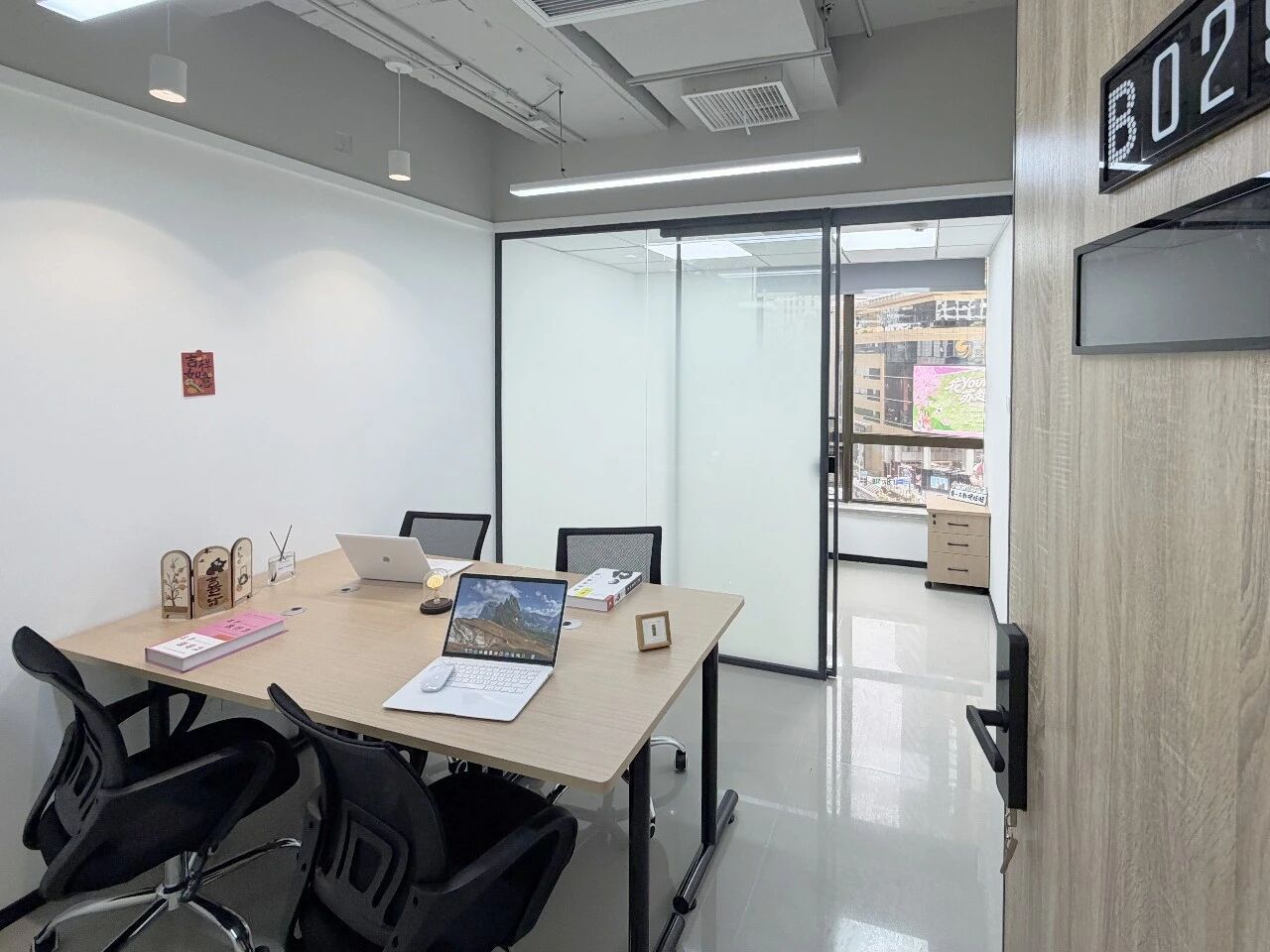
In terms of space operations, Chuangfugang pursues ultimate efficiency. From property site selection to spatial design, from workstation arrangement to workflow planning, every step is meticulously considered. This "every little thing to count" attitude allows us to strive for higher output within the same area—which is also a key reason why gross margins have remained relatively high in the industry for a long time.
But Chuangfugang's real "trump card" is its independently developed digital system matrix.
Focusing on the core office needs of small and micro enterprises, we have independently developed multiple sets of information systems:
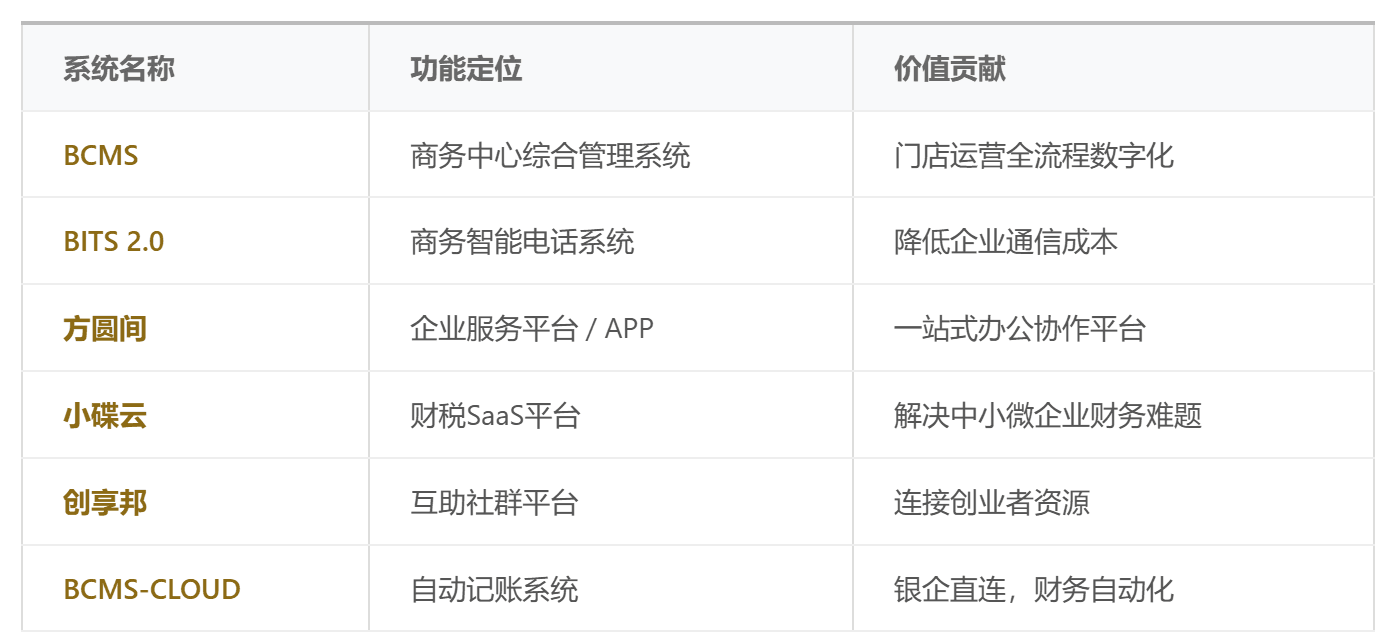
These "digital tools" not only serve our own operations and management, but also help member enterprises build a service ecosystem for small and micro enterprises that covers office space, business and financial services, corporate networking, resource matching, and digital transformation.
So, why can Chuangfugang be profitable when others are losing money?
The core lies in Chuangfugang's business model—through refined management of spaces, services, and communities, creating higher-value products and services at lower costs:
- Discover spaces with renovation value, and quickly achieve full occupancy through refined design, efficient renovation, and strong operational capabilities to maximize space value.
- Service is value-driven, deeply exploring customers' common needs, increasing customer stickiness through value-added services and mutual support communities, and further tapping into customer value.
- Ultimately, it allows members to access products and services with higher cost-performance ratios, while enabling the company to achieve sufficiently high profits and achieve a win-win outcome.
Supporting all of this is our long-term commitment to "technology empowerment."
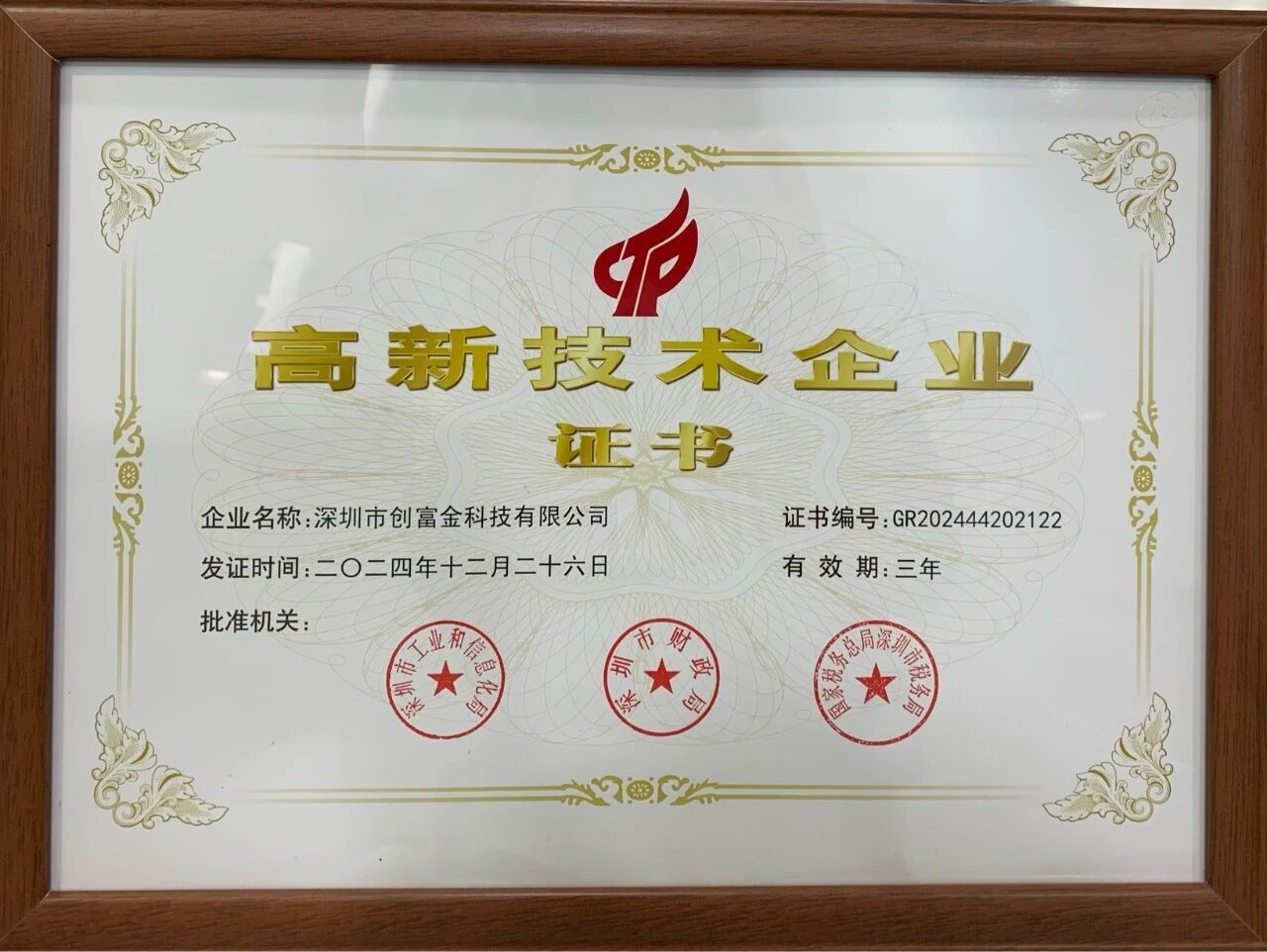
Chuangfugang's subsidiary, Shenzhen Chuangfujin Technology Co., Ltd., has successively been recognized as a Shenzhen "Specialized, Refined, Distinctive, and Innovative" SME, an innovative SME, and a national high-tech enterprise. This means our "technological attributes" are being recognized at the official level, adding confidence to future platform strategies.
It is worth mentioning that in 2024, Chuangfugang successfully changed its management-type industry classification from "Leasing and Business Services - Business Services - Other Business Services - Office Services" to "Scientific Research and Technology Services - Technology Promotion and Application Services - Entrepreneurial Space Services - Entrepreneurship Space Services" in 2024, marking our official transformation from a traditional business service entity to a technology service entrepreneurial service carrier.
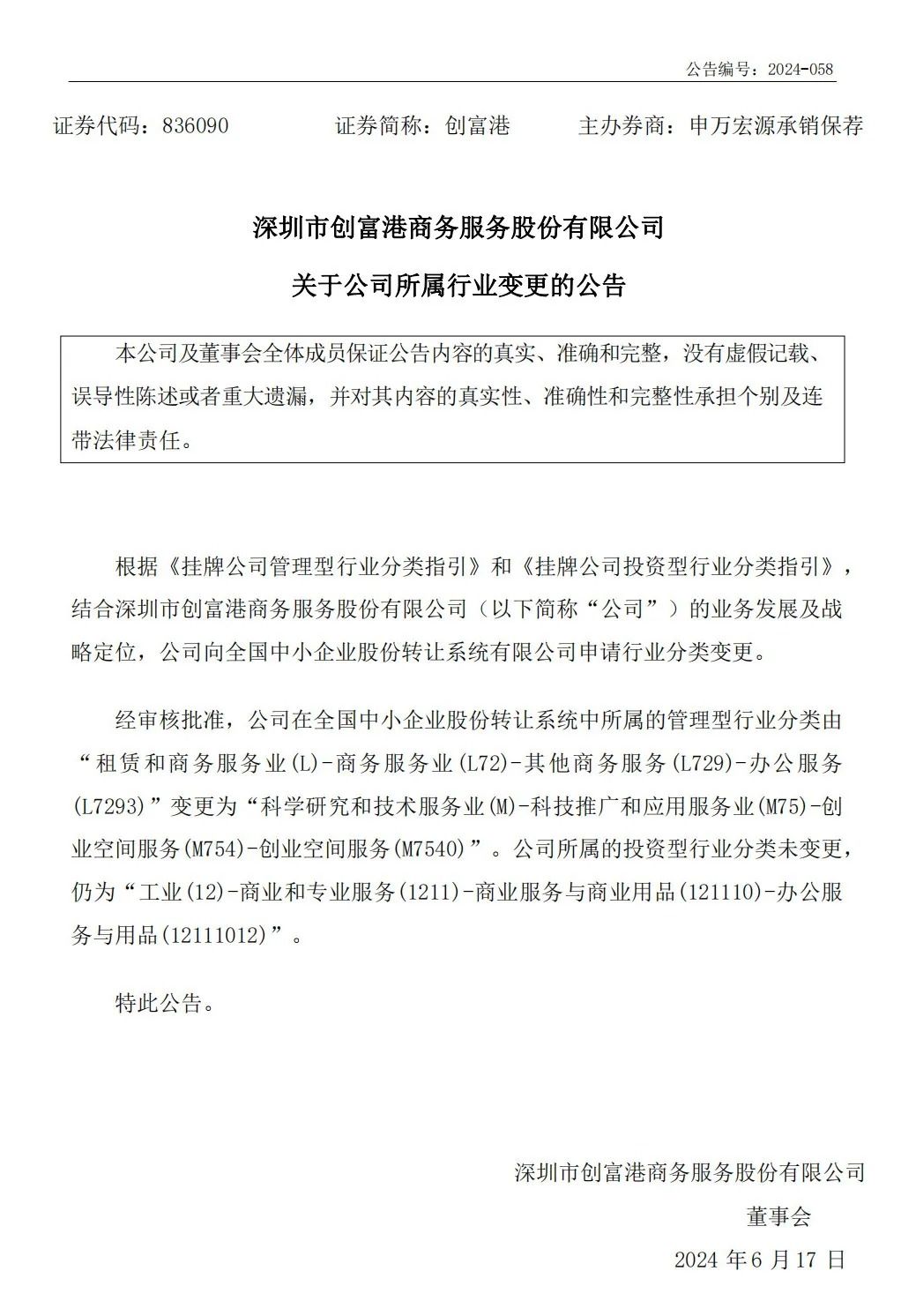
This not only recognizes our long-term dedication to digital empowerment industry services, but also enables us to align and adapt to more policy support for the innovation service sector. Going forward, we can better secure subsidies, discounts, and supporting resources related to technological innovation for member enterprises, further lowering the threshold for digital transformation and helping more small and micro entrepreneurs leverage technology to achieve upgrades and development.
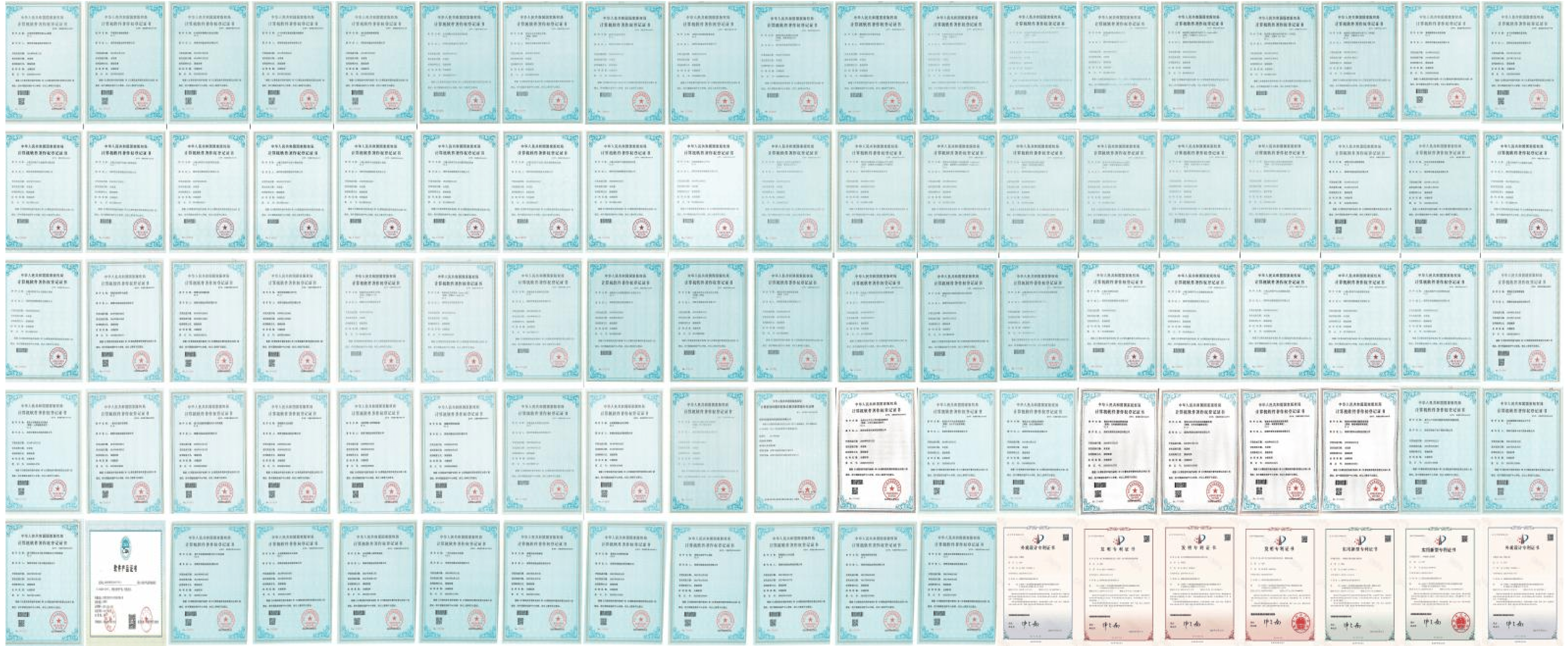
As of April 2026, Chuangfu Port has obtained 112 software copyrights and 10 patents.
04 The Future: From Space Operator to Ecosystem Enabler
Chuangfugang's positioning is no longer satisfied with being a "co-working operator." But looking to the future, our development principle will not change: seek speed while maintaining stability, and prioritize stability.
Evolution from 1.0 to 4.0
Model 1.0: We call this "One Mu of Land," focusing on meeting the basic office needs of 2-3 people, closely aligned with startups.
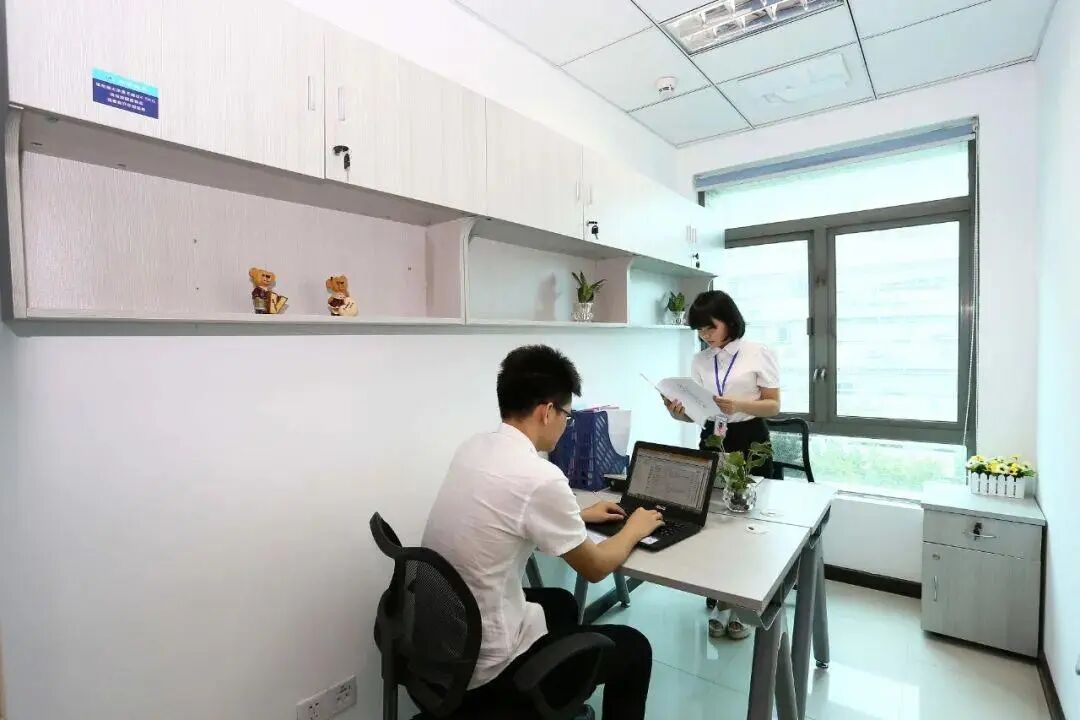
2.0 Model: Launched in 2015, extended to teams of up to 30 people. Introducing IoT hardware to reduce labor costs and launching the mutual aid community app Fangyuanjian to connect people and enterprises themselves.
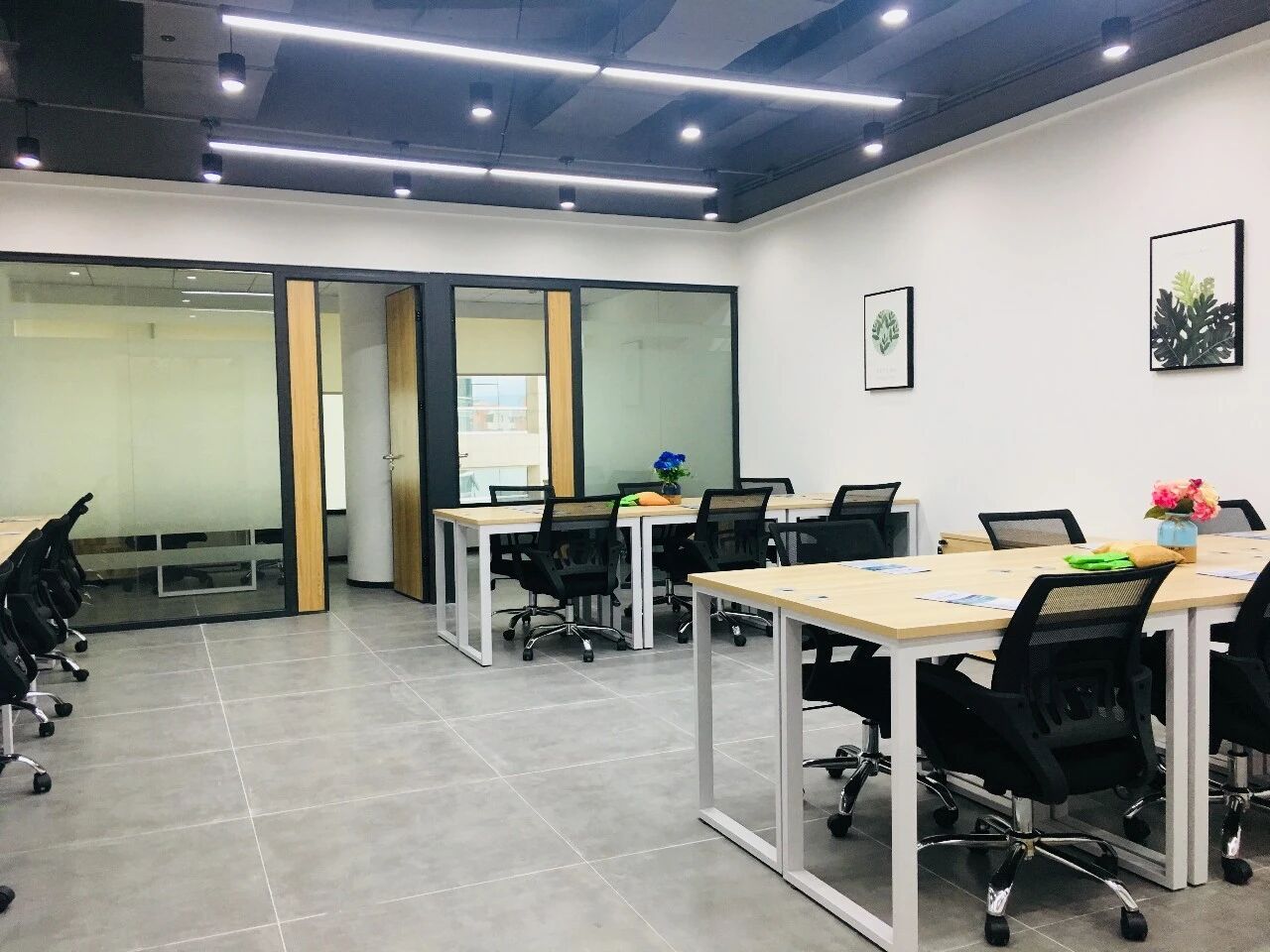
Model 3.0: Actively exploring with the goal of multidimensionally meeting office, living, and social needs, as well as information flow, logistics, and capital flow needs within a larger space—standard stores cover tens of thousands to hundreds of thousands of square meters, supporting office space and services for a large team of 300 people, while adding supplementary functions for daily life and social interactions in business formats to build a comprehensive technology system.
4.0 Dream: Driven by "Mobile Internet + IoT + Artificial Intelligence," break through business district limitations to achieve hundreds of thousands of square meters of self-built + operation.
05 Conclusion: The Philosophy of the Sweeping Monk
Looking back on the eighteen years of Chuangfugang, we don't have many thrilling stories or capital legends valued at tens of billions, but it is precisely this low-key and pragmatic approach that has allowed us to move steadily in the volatile track of co-working.
In Jin Yong's novels, the Sweeping Monk quietly cleans the Sutra Pavilion of Shaolin Temple for over forty years, possessing extraordinary skills yet keeping them hidden.
Chuangfu Port might just be such a "Sweeping Monk"—quietly in the co-working world, yet perfecting every small matter:
Further improve space utilization, lower operating costs, improve customer service, and improve technical systems.
These seemingly insignificant "points" accumulate over time and form the foundation for us to keep moving forward.
Chuangfugang Co-working Consultation: 18565723257 (WeChat same number)